
Technology · Lymphatic Flow
Mechanical Lymphatic Drainage
Lymphatic Transport · Relief · Regeneration
Rhythmic compression that supports lymphatic transport
Lymphatic Flow is a rhythmic compression treatment that supports the body's natural lymphatic transport. Controlled pressure impulses act specifically on the legs, supporting the movement of tissue fluid, circulation and physical regeneration. The treatment is suited both to targeted relief in everyday life and as regenerative support after physical exertion.
Benefits
Your benefits
Activated lymphatic transport+
Less heaviness+
Support for fluid retention+
Regeneration in sport+
Rhythmic impulses for transport and relief.
The Experience
Rhythmic, pleasant and relieving
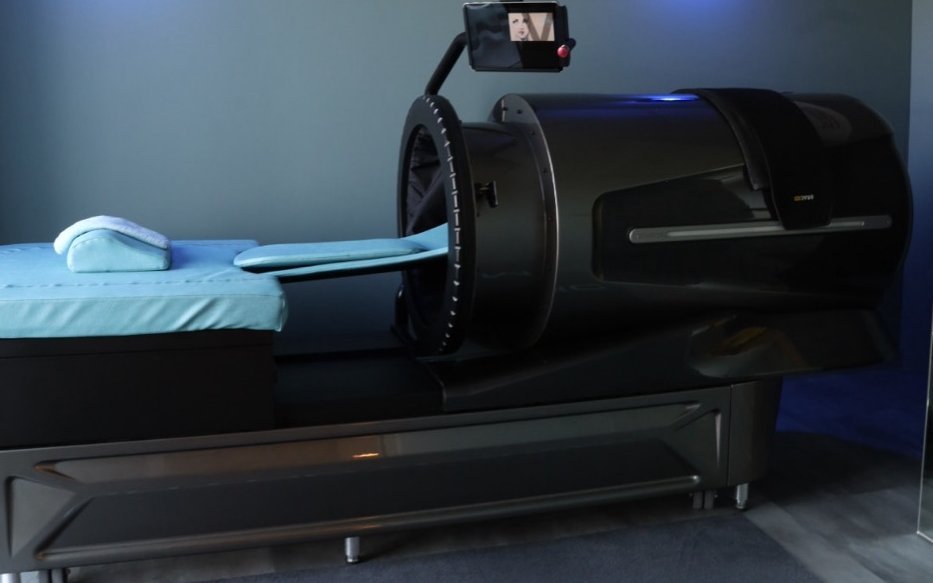
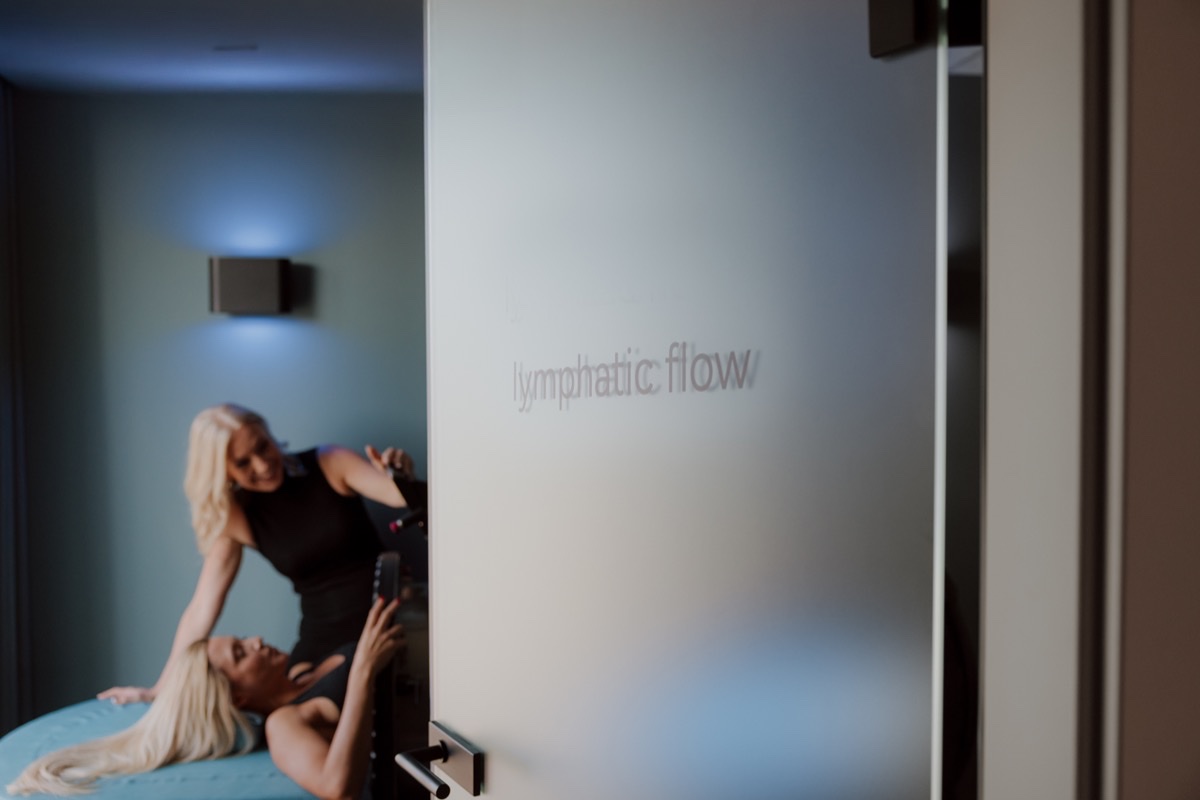
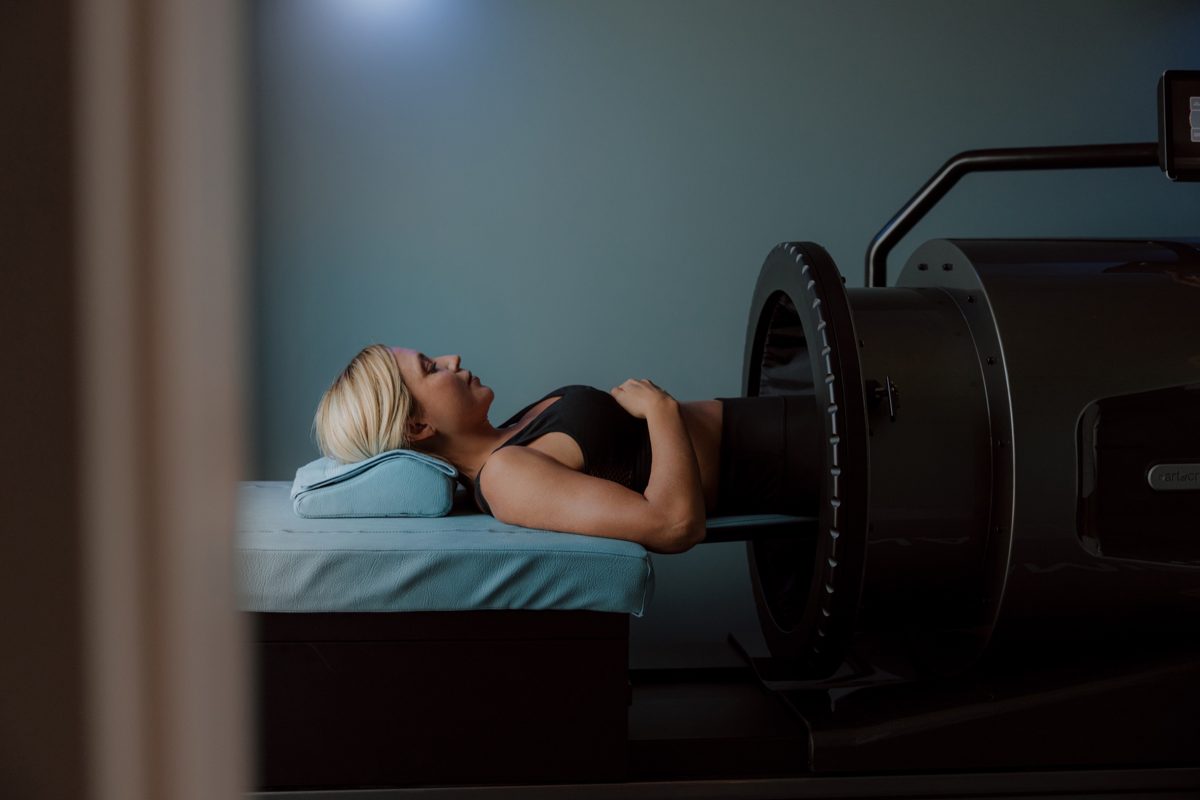
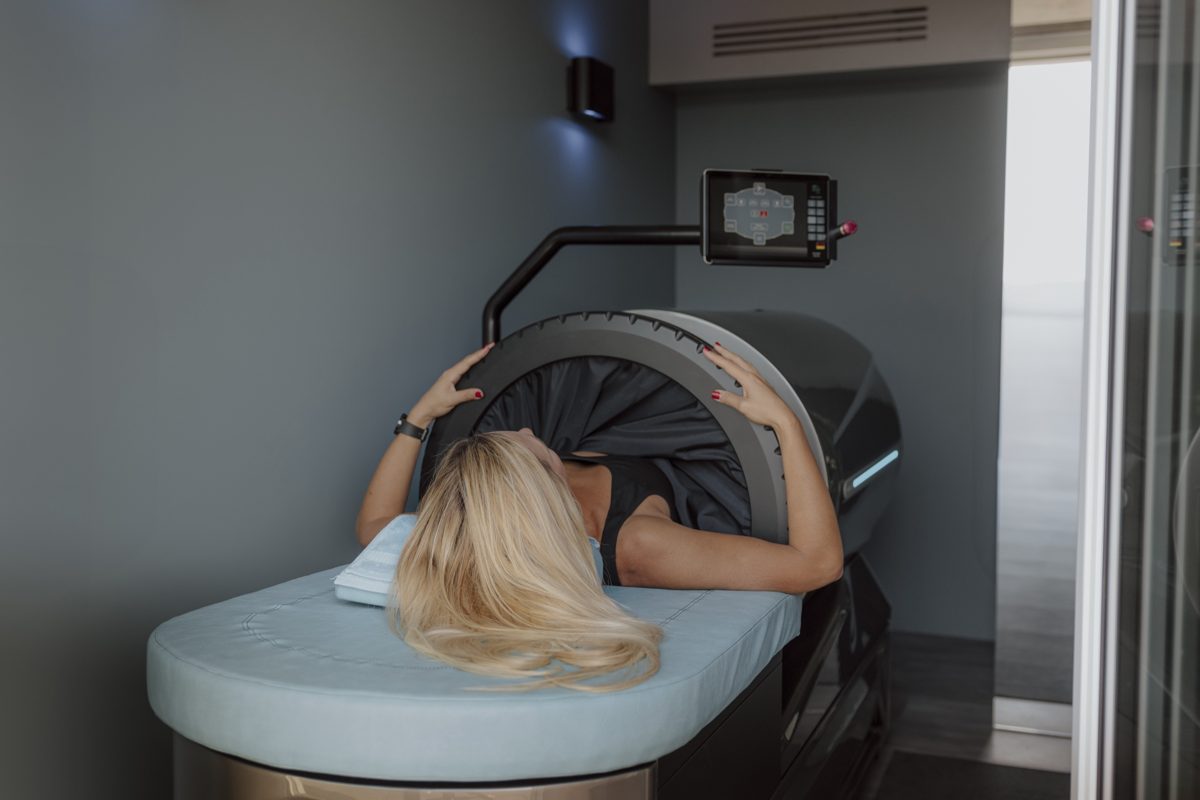
You lie relaxed in a specialized Lymphatic Flow system. Controlled pressure impulses act rhythmically on the legs, supporting the body's natural fluid transport. The individual zones are activated one after another and then released again.
Technology
The lymphatic system, the body's transport route for fluid and metabolic products
Alongside the bloodstream, the body has its own extensively branched transport system in the lymphatic system, made up of lymphatic vessels and lymph nodes. It absorbs excess fluid from the tissue and transports it back into the circulation via the lymphatic vessels. At the same time, the lymphatic system is closely linked to immune function, tissue supply and the natural transport of various metabolic products. Unlike the cardiovascular system, the lymphatic system has no central pump. Muscle activity, movement, breathing and changing pressure conditions therefore support the natural flow of lymph. This is precisely where Lymphatic Flow comes in: rhythmically successive pressure impulses support transport along the lymphatic vessels and help the body move tissue fluid onward.
How It Works
How does Lymphatic Flow work?
Gentle, rhythmic compression moves the lymph in its natural direction.
Compression
Cuffs are placed around the legs or body and build up gentle, controlled pressure.
Rhythm
In waves from bottom to top, the lymph is moved in its natural flow direction.
Removal
The activated system transports fluid and metabolic products away in a more targeted way.
Who It’s For
Especially worth considering if you
Lymphatic Flow is suited to people who want to specifically support their lymphatic transport, tissue relief and regeneration.
- notice heavy, tight or tired legs after long periods of sitting or standing
- tend to experience fluid retention and heaviness in warm weather or on long days
- stand, walk or are physically active for extended periods professionally
- want to specifically relieve their legs after flights or long car journeys
- train regularly and want to consciously support regenerative phases between intensive sessions
- want to integrate a passive recovery session after competitions, matches or demanding training phases
- want to support their natural lymphatic transport as part of a long-term prevention and longevity routine
CRYODYNAMIC
Lymphatic Flow in a longevity context
Well-functioning lymphatic transport helps regulate fluid in the tissue and maintain the body's natural transport and relief processes. From a preventive perspective, the aim is to support this physical function over the long term. Regular movement, muscle activity and targeted mechanical impulses can help to consciously promote natural lymph flow and tissue relief. Lymphatic Flow can be used as a single session or as part of a personal longevity program. Frequency and integration are based on your starting point, your current focus and your personal goal. Can be combined, for example, with:
- Cold Therapy
- Hyperbaric Oxygen
- Full Body Charger
- IHHT
- Human Regenerator
- Light and Infrared Technologies
Applications & Program Terms
Experience it as a single session or go deeper with a series
Questions
Frequently Asked Questions
What does a Lymphatic Flow session involve?+
How long does the treatment take?+
What does Lymphatic Flow feel like?+
What is the difference between Lymphatic Flow and manual lymphatic drainage?+
Is Lymphatic Flow also of interest to athletes?+
When can I use Lymphatic Flow around training or competition?+
Is a single session worthwhile?+
When is prior clarification advisable?+
Specifically supporting lymphatic transport and regeneration
Whether after an intense training day, a trip, or long hours on your feet: Lymphatic Flow supports your body with a targeted mechanical impulse for transport, relief and regeneration.
The information provided here is for general orientation and does not replace medical advice, diagnosis or treatment. At CRYODYNAMIC, the application is used in the context of wellness, prevention and regeneration. If you have an existing medical condition, are pregnant, or have any health-related concerns, we recommend consulting a physician beforehand.